Top Online Shopping Destinations for Polish Products in the USA: Where to Find Authentic Eastern European Goods in 2026
If you've ever stood in a generic supermarket aisle, staring at what's supposedly kielbasa and thinking, 'my babcia would be horrified by this' — yeah, you're in good company. Tracking down genuinely Polish products in the US has always taken some effort. But in 2026, that search has moved online, and honestly, the options are better than I ever expected. Doesn't matter if you're part of the Polish diaspora craving something real, or just a curious food lover who discovered Eastern European cuisine and never looked back. This guide's for you.
Why Authentic Polish Products Are in High Demand Across the USA in 2026
The Polish-American community is one of the largest ethnic groups in the country — over 9 million people with Polish ancestry. Chicago, Detroit, Buffalo, New York — these cities have had thriving Polish neighborhoods for generations. But the demand for authentic Polish goods doesn't stay contained to those enclaves anymore. Food tourism, social media, and a genuine curiosity about Eastern European cuisine have pulled in Americans who'd never heard of żurek or oscypek cheese until relatively recently. Now they're hooked.
Recent immigration from Poland and broader Eastern Europe has added fuel to that demand — new arrivals want their pantry staples, their cosmetics, their folk crafts. And second or third-generation Polish-Americans? A lot of them are actively reconnecting with their roots. Food is one of the most direct paths back to that. The online market has noticed, and it's responded.
What Makes a Polish Online Store Truly 'Authentic'
Sticking a Polish eagle on a logo doesn't make a store legitimate. When I'm looking at a site claiming to sell Polish or Eastern European goods, I'm asking a few pointed questions: Are these products actually imported from Poland, or are they locally produced stand-ins? Does the store carry recognizable Polish brands? Is the range deep enough to serve someone who actually knows their stuff — not just someone who thinks pierogi is exotic? Those details matter a lot.
Trust signals count too. I want to see a clear return policy, real contact information, and customer reviews from people who clearly know Polish food — not just generic five-star ratings. A store that bothers to translate product descriptions accurately and stocks regional specialties beyond the 'Instagrammable' basics is usually the real thing.
Key Product Categories to Look For
Any legitimate Polish online store should have solid coverage across several categories. Here's my personal checklist:
- Food staples: Kielbasa, kabanosy, pierogi (frozen and shelf-stable), żurek soup base, bigos, pickles, and preserves
- Sweets and confectionery: Ptasie Mleczko, Wedel chocolates, Prince Polo wafers, pierniki, and other seasonal treats
- Dairy and spreads: Twaróg, kefir, and imported Polish-brand jams
- Cosmetics and personal care: Ziaja, Nivea Poland editions, natural herbal preparations
- Folk art and crafts: Hand-painted pottery from Bolesławiec, wooden decorations, traditional embroidery
- Beverages: Polish mineral waters, herbal teas, specialty juices
The broader and more specific the range, the more confident I am that the store actually knows what it's selling — and who it's selling to.
Red Flags to Avoid When Shopping Online
I've picked up a few warning signs over the years. Vague product descriptions are first on the list — if a store is listing 'Eastern European sausage' without naming a brand or country of origin, that's a problem. Suspiciously low prices on imported goods are another red flag. Real Polish imports carry actual shipping and customs costs. If something looks too cheap, it usually is.
Cold-chain shipping matters hugely for perishables. Kielbasa showing up at room temperature after a cross-country trip isn't just unauthentic — it's a health issue. And watch for stores that pad their inventory with random non-Polish products, no clear Eastern European focus at all. Those are usually dropshippers who couldn't tell you the difference between kabanosy and any other cured meat.
Top Online Destinations for Polish Products in the USA
Now to the part that actually matters. After a solid amount of testing and digging around, here are the best places to find authentic Polish and Eastern European goods online in 2026.
Specialty Polish E-Commerce Stores
In my experience, dedicated Polish e-commerce retailers are the most reliable option by a clear margin. They know their products, their suppliers, and the people buying from them. One store I've been genuinely impressed by is magius-polska.com — well-curated, with a real reputation among Polish diaspora shoppers in the US. The product range runs from imported Polish food brands through to folk handicrafts, and their US shipping terms are straightforward with reasonable timelines. What stands out most is that it feels like a store built by people who actually care about Polish culture. Not an algorithm trying to rank for keywords.
Other specialty retailers worth checking out: Polish Deli Online, Polonia Market, and regional Polish delis that have expanded into e-commerce. Many are family-run businesses with genuine roots in the Polish-American community — that adds real accountability, not just marketing copy about authenticity.
General Marketplaces with Polish Product Sections
If you'd rather stick to platforms you already use, Amazon, Etsy, and eBay all have verified Polish sellers — you just need to filter smart. On Amazon, search specific brand names: Wedel, Winiary, Łowicz. Don't bother with generic terms. On Etsy, filter by shop location set to 'Poland' to find actual artisans selling handmade crafts. eBay occasionally turns up hard-to-find Polish collectibles and specialty foods, though I'd be careful with food purchases there — freshness and shipping conditions can be unpredictable.
The upside of these platforms is buyer protection and familiar checkout flows. The downside? Scattered, inconsistent selection. You're not getting the curated experience of a dedicated Polish store. It's a trade-off worth understanding before you commit to a search.
How to Shop Smart — Tips for Ordering Polish Goods Online from the US
There are practical things first-time buyers tend to miss. Here's what I always pass along:
- Shipping timelines: Budget 5–14 business days for standard shipping from Polish-specialty US-based warehouses. Direct imports from Poland can take longer.
- Customs and food regulations: Packaged and processed foods are generally fine for personal import. Fresh dairy or certain meat products may run into restrictions — always check the store's customs policy first.
- Reading Polish labels: A few terms worth knowing — 'data ważności' means expiration date, 'przechowywać w chłodnym miejscu' means refrigerate after opening. Most stores include English translations now, but it's still useful to know the basics.
- Comparing prices: Don't compare sticker prices without factoring in shipping. A cheaper item with steep shipping can easily cost more than a slightly pricier one with flat-rate or free-shipping thresholds.
Seasonal and Holiday Shopping for Polish Products
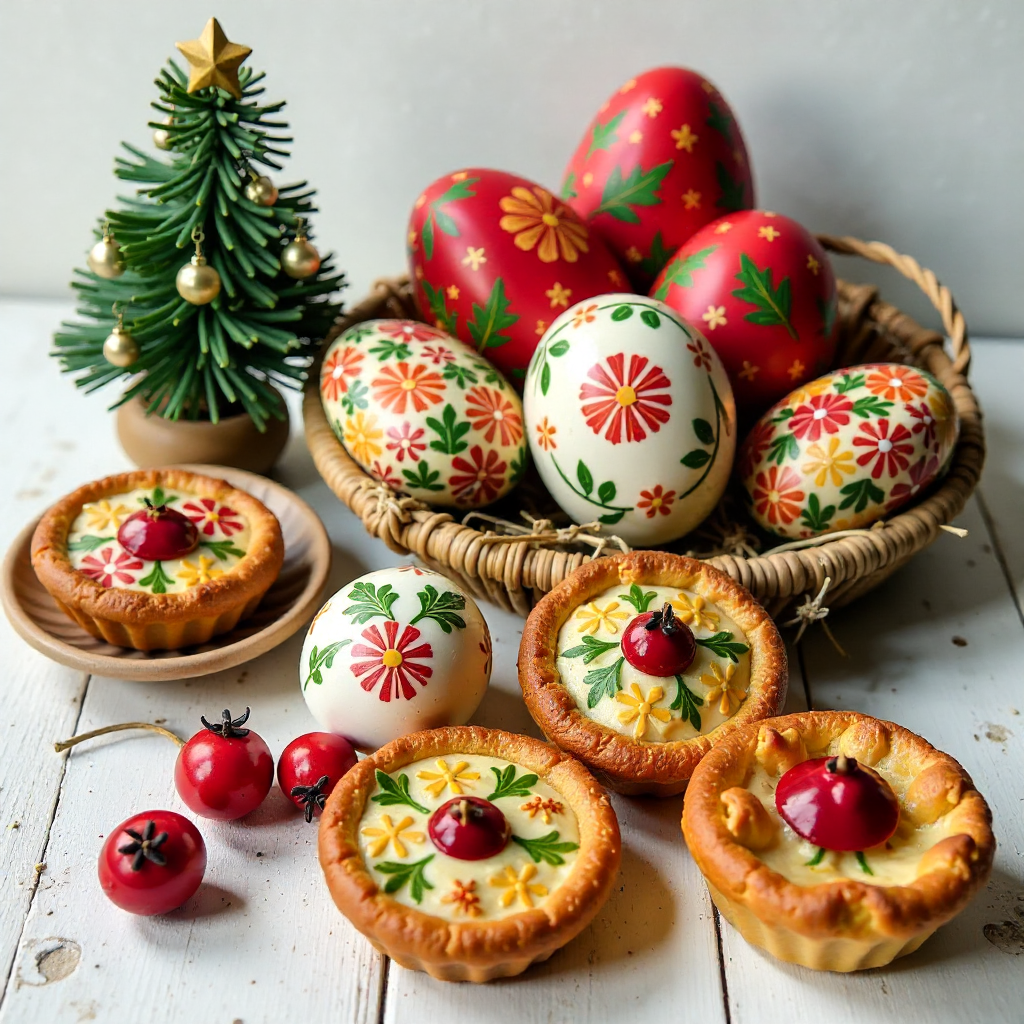
Two times of year are worth circling: Easter (Wielkanoc) and Christmas (Boże Narodzenie). That's when Polish food and craft traditions are at their fullest — and when online stores roll out seasonal specials and limited-edition items that don't stick around.
For Easter: hand-painted pisanki, żurek soup ingredients, babka, makowiec. For Christmas: opłatek wafers, pierniki gingerbread, and glass ornaments from Polish artisans that are genuinely beautiful. One piece of strong advice — order early. Holiday shipping windows close faster than you'd expect, and authentic imported goods have real lead times. I'd say 3–4 weeks in advance is the minimum if you want to avoid scrambling.
The Future of Polish E-Commerce in the American Market
Looking ahead through 2026 and beyond, the picture is pretty encouraging. Shipping networks between Poland and the US have gotten noticeably more efficient — several specialty logistics providers now offer dedicated Eastern European import services with actual cold-chain infrastructure. Polish brands themselves are starting to build direct-to-consumer channels aimed at American buyers, which cuts out some of the friction that's always made this harder than it should be.
Technology is changing things too. Subscription boxes with curated Polish and Eastern European products are growing — I've seen several new ones launch just in the past year. AI-driven recommendation tools on specialty sites are getting better at surfacing regional products that most shoppers wouldn't stumble across on their own. The direction is clear: more access, better variety, less guesswork. That's a good trend.
Conclusion — Bringing a Taste of Poland to Your Doorstep
Whether you're chasing the flavors from your grandparents' kitchen, exploring Eastern European food for the first time, or just done settling for pale imitations — the online landscape in 2026 has real options. The key is knowing where to look and how to spot the genuine article.
Dedicated specialty stores — including well-regarded options like magius-polska.com — are your best starting point for authenticity, range, and a real connection to Polish culture. Round that out with trusted sellers on established marketplaces, give yourself enough lead time for seasonal orders, and don't hesitate to try something new as Polish brands keep growing their American reach.
Poland has one of the richest food and craft traditions in Europe. The fact that you can reach so much of it from your couch, delivered to your door, is genuinely great. Go explore — your inner Pole (or aspiring one) will be glad you did.